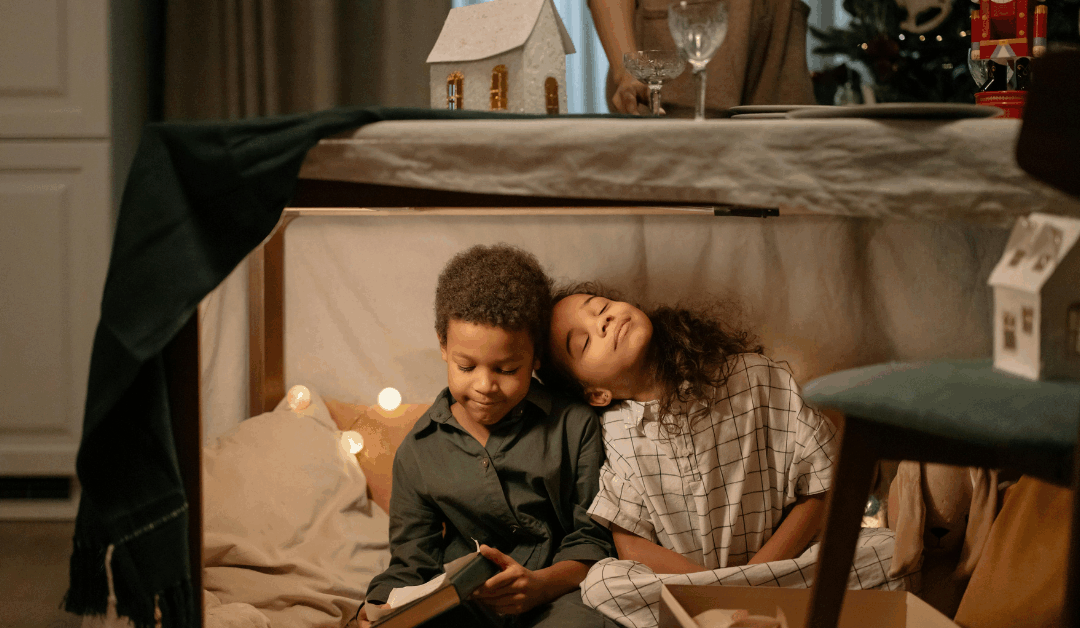
Holiday gatherings are filled with laughter, shared meals, familiar traditions, and opportunities for connection.
But for many children—especially those receiving ABA support—these gatherings can also feel overwhelming. New faces, loud environments, shifting routines, and increased expectations can make communication harder. Parents often worry: Will my child talk? Will they interact? Will they feel comfortable?
The beautiful truth is that the holidays offer rich, natural opportunities to strengthen communication skills for kids.
With a supportive approach, gentle structure, and simple strategies grounded in ABA principles, you can help your child feel confident using their voice, gestures, or alternative communication at family events.
This guide will walk you through warm, practical, and empowering ways to encourage communication skills for kids during the holiday season—without pressure, without perfection, and with plenty of room for joy.
How can I help my child practice communication skills at holiday gatherings?
Holiday gatherings are full of meaningful moments that support communication—greeting relatives, asking for help, choosing foods, sharing toys, or participating in activities. But sometimes these moments need to be broken down and supported gently.
Here are ways to help your child practice communication skills for kids during family events:
Prepare your child with simple social stories
Social stories help set expectations. You can include details like greeting family, asking for breaks, or choosing preferred activities. This preparation improves communication skills for kids by reducing anxiety and increasing predictability.
Practice greetings ahead of time
Role-play with your child before the event.
“Hi Grandma!”
“Hi Uncle John.”
A short, practiced script helps strengthen communication skills for kids who feel nervous talking to adults.
Use visual cues or scripts
If verbal communication is difficult, visuals like “hi,” “help,” or “break” cards can make the interaction smoother. These tools increase communication skills for kids who communicate through nonverbal methods.
Model communication consistently
When your child looks at snacks, model: “Do you want crackers?” or “Say ‘more’.” Hearing language in context organically strengthens communication skills for kids.
Celebrate all attempts—big or small
Every gesture, word, vocalization, or picture exchange counts. Praise reinforces the learning and helps communication skills for kids feel rewarding instead of stressful.
These small, compassionate steps create a supportive environment where communication feels natural rather than forced.
What ABA strategies improve social and communication skills for kids?
ABA principles can make communication more approachable for children during the holidays. These strategies are simple, warm, and flexible—designed to blend naturally into family routines.
Here are effective ABA strategies that support communication skills for kids:
- Pairing and connection-building
Before expecting communication, help your child feel comfortable. Join them in play, follow their interests, and keep interactions fun. Pairing builds trust and increases communication spontaneity—one of the most powerful ways to grow interactions.
- Modeling communication
If your child points at a toy, model the word:
“You want the car!”
Consistent modeling helps communication skills for kids develop through repetition and meaningful context.
- Using prompting and fading
Start with a gentle prompt (“Say ‘juice’”), then fade it as your child becomes more independent. This ABA method improves communication while reducing pressure.
- Reinforcement for requests
When your child makes a communication attempt, reinforce it right away.
They say “cookie” while reaching for the cookie—they get the cookie. This is a cornerstone of building requesting skills for kids.
- Teaching functional communication
Teach meaningful phrases your child can use, like:
“I need help.”
“All done.”
“More please.”
Skills that reduce frustration naturally improve communication skills for kids across settings.
These ABA approaches make this feel achievable, supportive, and rooted in connection.
How do I encourage kids with autism to talk and interact during family events?
Family gatherings can be both exciting and challenging for kids with autism. Sensory overload, new people, and shifting expectations can make communication harder. Encouraging communication requires a mindful balance of support, flexibility, and understanding.
Here are gentle ways to encourage talking and interaction:
Give your child warm-up time
Let them acclimate before expecting greetings or conversation. Anxiety decreases when communication isn’t demanded right away, supporting communication skills for kids naturally.
Create a quiet space
A calm area reduces sensory overwhelm and allows kids to recharge. When you are at your holiday destination, show your child where they can go to calm down or find some quiet. When children feel safe, interactions increase.
Encourage small, structured interactions
Instead of big group conversations, offer low-pressure activities:
- Passing out napkins
- Helping set the table
- Playing a simple turn-taking game
These moments build communication skills for kids in a manageable way.
Use interests as conversation starters
If your child loves dinosaurs, cars, or drawing, use that as the entry point. Interest-based communication strengthens confidence and builds communication skills for kids effortlessly.
Let your child communicate in their preferred way
Words, gestures, AAC devices, signs, or picture cards all count. Supporting the method they’re most comfortable with improves their skills and keeps interactions positive.
Avoid forcing conversations
Pressure shuts down communication. Following your child’s lead opens it up.
When communication is treated as connection—not performance—kids with autism feel freer to interact and share.
What activities can support communication development during the holidays?
Holiday traditions and activities are full of opportunities to support communication skills for kids. These activities are simple, playful, and grounded in everyday ABA principles.
Here are meaningful options:
- Decorating together
Ask your child to label items (“star,” “tree,” “lights”) or choose decorations. This naturally supports communication skills for kids through play.
- Baking holiday treats
Let your child request ingredients, choose toppings, or follow simple steps. Baking is sensory-rich and great for strengthening communication skills for kids.
- Gift wrapping or unwrapping
Use phrases like “open,” “help,” “more tape,” or “my turn.” These interactions boost skills for kids in fun, functional ways.
- Turn-taking games
Board games, card games, or rolling a ball back and forth all support communication by practicing waiting, asking, and interacting.
- Craft activities
Ask your child to choose colors, request supplies, or show their work to others. Crafts blend creativity with interactions for kids beautifully.
- Singing holiday songs
Even humming or filling in the last word of a familiar lyric strengthens communication skills for kids in a joyful way.
Every one of these activities invites language, gestures, choice-making, and shared attention—all foundational ingredients for communication.
Final Thoughts: Helping Kids Communicate with Confidence and Joy
Holiday gatherings don’t have to be overwhelming for children working on communication.
With preparation, modeling, and thoughtful ABA strategies, parents can create moments where communication skills for kids shine naturally.
At Hybridge, we believe every child deserves to feel confident, connected, and understood—especially during the holidays.
Whether your child uses words, gestures, visuals, or AAC, every attempt at connection is meaningful. And with small, consistent efforts rooted in ABA principles, communication skills for kids can grow beautifully in the everyday magic of the season.
Because communication doesn’t come from pressure—it comes from feeling safe, supported, and celebrated. And the holidays are the perfect time to nurture that growth with presence, patience, and love.
Interested In More Hands On Support?
Hybridge Learning Group serves families and learners of all ages in New Jersey, Delaware, Maryland, and Virginia.
Autism · ABA Therapy · Occupational Therapy · Speech Therapy · School Support
Here To Help
Hybridge Learning serves families and learners of all ages in New Jersey, Delaware, Maryland, and Virginia.
Phone: (855) 796-7518
Fax: (908) 271-7110
Email: services@hybridgelearning.com
Website Quick Links
About Hybridge Learning
Locations
Services
Resources
Careers
Getting Started
Get Started
Our team is here to make getting started easy every step of the way. The first step is filling out our contact form & scheduling a free consultation to chat with our team.