
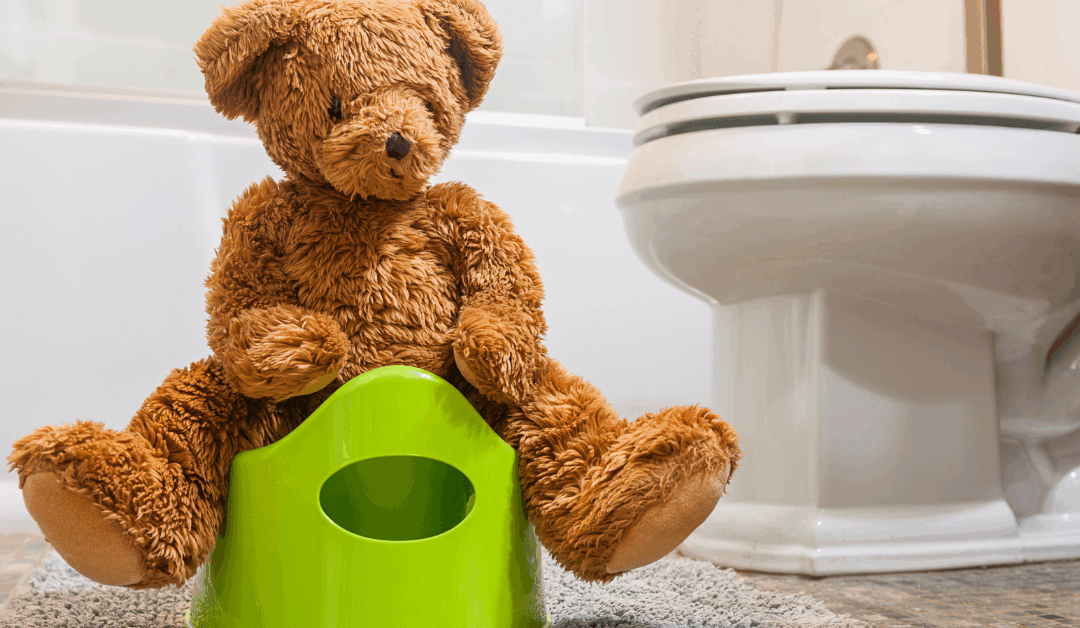
Potty training can feel like one of the biggest milestones in early childhood—and one of the most daunting for parents.
One day your toddler is in diapers, and the next, you’re wondering if your entire week will revolve around tiny potties, spare outfits, and anxious trips to the bathroom.
You’re not alone. Many parents find themselves asking: When should I start? How do I know my child is ready? What if nothing seems to work?
The truth is, there’s no one-size-fits-all approach. Every child learns at their own pace, and what works for one family might look completely different for another. But using principles from Applied Behavior Analysis (ABA)—like consistency, reinforcement, and clear communication—can make the process more structured, predictable, and effective.
This guide will walk you through when to start potty training, how to tell if your toddler is ready, and how to apply ABA-based potty training strategies like keeping a set schedule, using simple instructions, visual supports, and positive reinforcement every step of the way.
When should I start potty training my child?
One of the first questions parents ask is, “When should I start potty training?”
The answer: it depends on your child’s physical, emotional, and developmental readiness—not just their age.
Most children start showing signs of readiness between 18 months and 3 years old, but some may be ready earlier or later. Rather than focusing on a number, ABA strategies encourage parents to observe behavior patterns that show readiness—such as staying dry for longer stretches or following simple one-step directions.
Ask yourself:
- Are they staying dry for at least two hours?
- Do they show interest when others use the toilet?
- Can they follow simple instructions like “sit down” or “pants up”?
If so, it may be time to start building a potty routine.
It’s also wise to consider your family’s schedule and environment. Major changes—like moving homes or starting daycare—can disrupt consistency. Since ABA emphasizes repetition and routine, it’s best to start when you can commit to a steady daily schedule without major interruptions.
How do I know if my toddler is ready for potty training?
Readiness is about more than just physical ability—it’s also behavioral and cognitive. Some toddlers may be able to pull their pants down but aren’t yet connecting that sensation to the need to use the potty.
Here are a few ABA-informed readiness signs:
- Predictable patterns: You can often tell when your child will need to go.
- Dry intervals: They stay dry for two or more hours at a time.
- Awareness of bodily signals: They show discomfort when wet or dirty.
- Following simple directions: They can understand clear one- or two-step cues.
- Interest in routines: They want to imitate or participate in the bathroom routine.
If your toddler isn’t showing these signs, no problem. ABA teaches that every skill can be built step-by-step. You can begin by modeling, labeling bathroom activities, and reinforcing curiosity around the potty—without pressure or demands.
ABA-Based Potty Training Tips for Stubborn or Reluctant Toddlers
For strong-willed toddlers—or those who thrive on structure—ABA strategies can help make potty training clear, consistent, and even fun.
- Use a Consistent Schedule
ABA emphasizes repetition and predictability. Set specific potty times (e.g., after meals, before nap, before bath). Bring your child to the potty even if they don’t go—this helps establish the routine.
→ Example: “It’s potty time!” (said with the same tone each time to create predictability) - Give Clear, Simple Instructions
Keep directions short and specific: “Sit on potty,” “Pants down,” “All done.” Avoid long explanations. Clarity reduces confusion and builds independence through repetition. - Reinforce Desired Behaviors
Celebrate successes immediately and enthusiastically. Reinforcement can be verbal praise (“You did it!”), stickers, or small tangible rewards. The key is immediacy and consistency—so your child connects using the potty with something positive. - Use Visual Supports
Some children benefit from visual aids like picture schedules or first/then boards (e.g., “First potty, then play”). Visuals make the process concrete and help children who learn best through seeing rather than hearing. - Model and Prompt Gradually
ABA supports the idea of prompting and fading—you can model the behavior, give gentle physical prompts if needed (like guiding toward the potty), and then fade your help as they gain confidence. - Track Data and Celebrate Progress
ABA relies on tracking progress. Keep a simple chart of potty times, accidents, and successes. This helps identify patterns (like time of day or activities that trigger success) and celebrate small wins. - Keep Reinforcement Consistent, Not Punishment-Based
Avoid scolding or showing frustration for accidents. Instead, neutrally clean up and praise effort when your child tries. The goal is to teach through positive reinforcement, not fear or shame.
How long does potty training take?
The duration varies widely, but ABA principles can help make the process smoother.
With consistency and reinforcement, many children show progress within a few weeks, though full independence may take months.
Nighttime dryness often develops later—and that’s perfectly normal. Continue using reinforcement, patience, and data tracking to guide when to move from scheduled trips to independent toileting.
If progress stalls for several months or your child appears distressed, consider consulting a BCBA (Board Certified Behavior Analyst) or your pediatrician to adjust your plan or rule out medical factors.
When Things Don’t Go as Planned
Even with structure and reinforcement, setbacks happen—and that’s okay.
- Regression is normal: Stay calm, return to the schedule, and keep reinforcement strong.
- Avoid power struggles: If your child resists, pause training for a few days and reintroduce it gradually.
- Reassess routines: Maybe the schedule needs slight tweaking (e.g., more frequent potty breaks or visual reminders).
- Check for underlying factors: Medical issues like constipation can interfere with success.
Each accident or refusal is simply data—information that helps you adjust the plan for success.
Final Thoughts: Structure, Support, and Success
Potty training doesn’t have to feel chaotic or stressful. Using ABA principles—structure, clear communication, reinforcement, and visuals—helps your child learn this important skill step-by-step and with confidence.
Progress may come slowly or in bursts, but with patience, predictability, and plenty of encouragement, you’ll both reach the finish line. Remember: every dry moment, every attempt, and every sticker earned is a success worth celebrating.
Interested In More Hands On Support?
Hybridge Learning Group serves families and learners of all ages in New Jersey, Delaware, Maryland, and Virginia.
Autism · ABA Therapy · Occupational Therapy · Speech Therapy · School Support
Here To Help
Hybridge Learning serves families and learners of all ages in New Jersey, Delaware, Maryland, and Virginia.
Phone: (855) 796-7518
Fax: (908) 271-7110
Email: services@hybridgelearning.com
Website Quick Links
About Hybridge Learning
Locations
Services
Resources
Careers
Getting Started
Get Started
Our team is here to make getting started easy every step of the way. The first step is filling out our contact form & scheduling a free consultation to chat with our team.