
For many children with autism, the world can feel loud, bright, unpredictable—and overwhelming. Home should be the opposite. It should feel like a safe haven: calm, comforting, and attuned to their needs.
One of the most powerful ways to support your child’s wellbeing is by creating a sensory-friendly environment that meets them where they are.
At Hybridge, we work closely with families to identify meaningful ways to support sensory needs.
Whether your child seeks sensory input or avoids it, there are simple, supportive ways to make your home feel more balanced, engaging, and joyful. In this guide, we’ll explore sensory activities for autism, DIY tips, and the key elements of a calming home environment.
What Are the Best Sensory Activities for Kids With Autism?
There’s no single list of “best” sensory activities for autism—because no two kids are exactly alike. But what all sensory activities have in common is this: they offer structured opportunities to engage with the world in ways that feel safe and meaningful.
Some children crave movement, texture, or noise. Others are easily overwhelmed by these same sensations. The key is to notice how your child responds and offer sensory activities that feel regulating, not overstimulating.
Here are a few widely loved sensory activities for autism that can be adapted based on your child’s preferences:
- Water play: pouring, scooping, splashing, or floating toys in a basin or tub
- Swinging or rocking: rhythmic motion helps regulate many children’s nervous systems
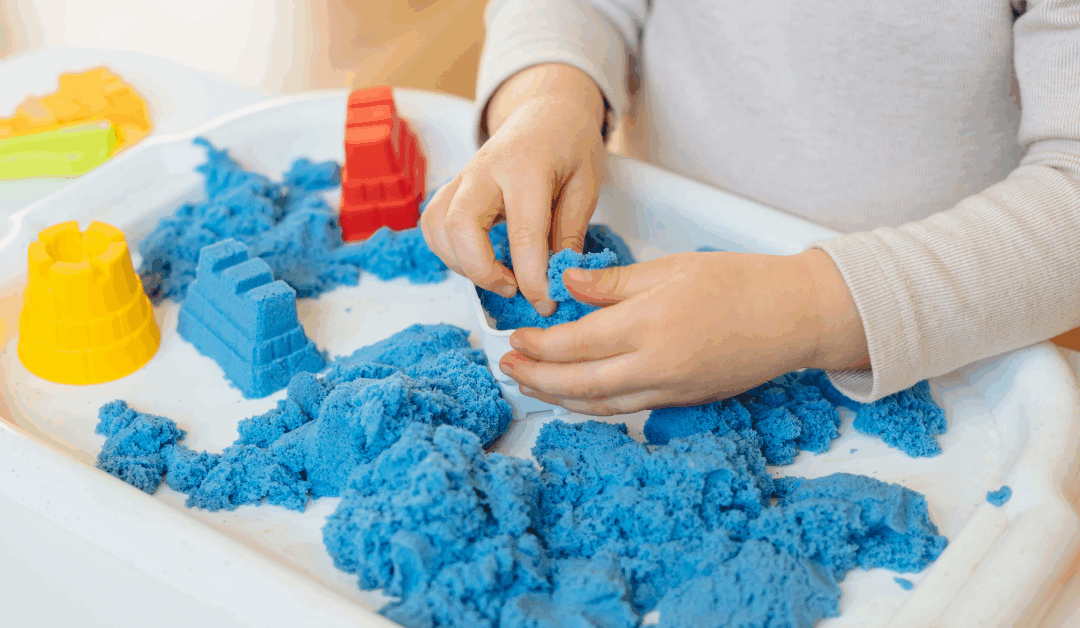
- Playdough or kinetic sand: molding and squeezing builds fine motor skills and calms anxious energy
- Bubble wrap stomping or popping: satisfies the need for tactile and auditory stimulation
- Music and dancing: combining rhythm, movement, and auditory input
- Texture play: explore bins filled with rice, beans, pom-poms, or soft fabrics
- Art time: finger painting, using sponges or textured brushes, or making collages with different materials
What Are Some Easy DIY Sensory Activities for Autism at Home?
You don’t need to buy expensive equipment or redesign your home to support your child’s sensory needs. Many of the most effective sensory activities for autism can be created using items you already have.
Here are some simple DIY sensory activities to try:
- DIY Sensory Bottles: Fill an empty plastic bottle with water, glitter, food coloring, and small beads or sequins. Shake and watch the calming swirl.
- Homemade Obstacle Course: Use couch cushions, tunnels, or masking tape paths on the floor to create a movement adventure.
- Texture Trays: Fill bins with rice, oats, or beans and hide small toys inside for a sensory scavenger hunt.
- Frozen Toys in Ice: Freeze small plastic toys in a container and let your child “rescue” them with warm water or tools.
- Bubble Wrap Runway: Tape bubble wrap to the floor and let your child stomp, crawl, or roll over it.
- Scented Playdough: Add essential oils (like lavender or peppermint) to homemade dough for extra sensory depth.
- Fabric Swatches Box: Collect small pieces of velvet, corduroy, silk, and fleece for your child to touch and sort.
The best sensory activities for autism are repeatable, adaptable, and enjoyable—both for your child and for you.
Which Sensory Toys Work Best for Children With Autism?
Sensory toys can be a valuable part of your child’s regulation toolkit—especially when chosen with their preferences and needs in mind. Collaboration with an occupational therapist is a great way to identify sensory needs of your child.
Some children love the feeling of squeezing or pulling. Others prefer toys that light up, vibrate, or make gentle sounds. What matters most is how the toy makes your child feel.
Here are some favorites we’ve seen work well:
- Chewelry (chewable jewelry): for kids who seek oral input
- Fidget spinners or cubes: great for focus and self-soothing
- Liquid timers or lava lamps: provide visual regulation and calmness
- Noise-reducing headphones: essential for loud environments or transitions
- Balance boards or wobble cushions: perfect for active sensory seekers who love movement
Sensory toys don’t replace human connection, but they do offer kids ways to regulate independently and safely.
And remember: sometimes, the best “toys” are simple household items used with creativity and care.
How Can I Create a Sensory-Friendly Environment for My Autistic Child?
Creating a sensory-friendly home isn’t about perfection. It’s about intention.
Start by observing how your child responds to their environment. Where do they seem most calm? What overstimulates them? Then, begin making small adjustments that reduce stress and increase comfort.
Here are some ideas:
- Lighting: Use soft lighting (lamps or string lights) instead of harsh overheads. Dimmer switches can help.
- Sound control: Reduce background noise when possible. Consider white noise machines or calming music playlists.
- Safe retreat space: Create a dedicated quiet area—maybe a tent, corner nook, or beanbag zone—where your child can go when they need a break.
- Organized spaces: Visual clutter can be overwhelming. Use bins, baskets, or visual labels to keep things simple and predictable.
- Texture-friendly zones: Add cozy blankets, textured pillows, or rugs your child enjoys touching.
- Sensory toolkit: Keep your child’s favorite sensory toys, headphones, or fidgets in a grab-and-go bin they can access as needed.
When sensory activities for autism are supported by an environment that feels safe, predictable, and responsive, children are better able to explore, learn, and thrive.
Final Thoughts: Making Your Home a Haven
Creating a sensory-friendly space at home doesn’t mean changing everything. It means noticing what helps your child feel safe, happy, and relaxed—and making more room for that.
When you offer sensory activities for autism that are attuned to your child’s needs, you’re not just supporting regulation. You’re building a foundation for confidence, connection, and growth.
At Hybridge, we’re here to walk alongside you. From home strategies to ABA support and beyond, our team is committed to helping your child thrive in every season of life.
Because every child deserves to feel at home in their world—and in their own body.
And every parent deserves support along the way.
Interested In More Hands On Support?
Hybridge Learning Group serves families and learners of all ages in New Jersey, Delaware, Maryland, and Virginia.
Autism · ABA Therapy · Occupational Therapy · Speech Therapy · School Support
Here To Help
Hybridge Learning serves families and learners of all ages in New Jersey, Delaware, Maryland, and Virginia.
Phone: (855) 796-7518
Fax: (908) 271-7110
Email: services@hybridgelearning.com
Website Quick Links
About Hybridge Learning
Locations
Services
Resources
Careers
Getting Started
Get Started
Our team is here to make getting started easy every step of the way. The first step is filling out our contact form & scheduling a free consultation to chat with our team.